 Formist
Typographic Form8 min read
How to Build a Twelve-Column Baseline Grid
This text details the relationship between body leading and vertical rhythm. You learn to align headings, images, and captions without loose margins.
This text details the relationship between body leading and vertical rhythm. You learn to align headings, images, and captions without loose margins.

Surface coatings change light reflection and ink behavior. We compare legibility and contrast between two standard publishing papers.

Signage systems require formulas for distant reading and viewing angles. You learn to set type sizes for pedestrian corridors.

Dense software screens cause fatigue, while sparse screens force excessive scrolling. This guide balances data count per screen area.
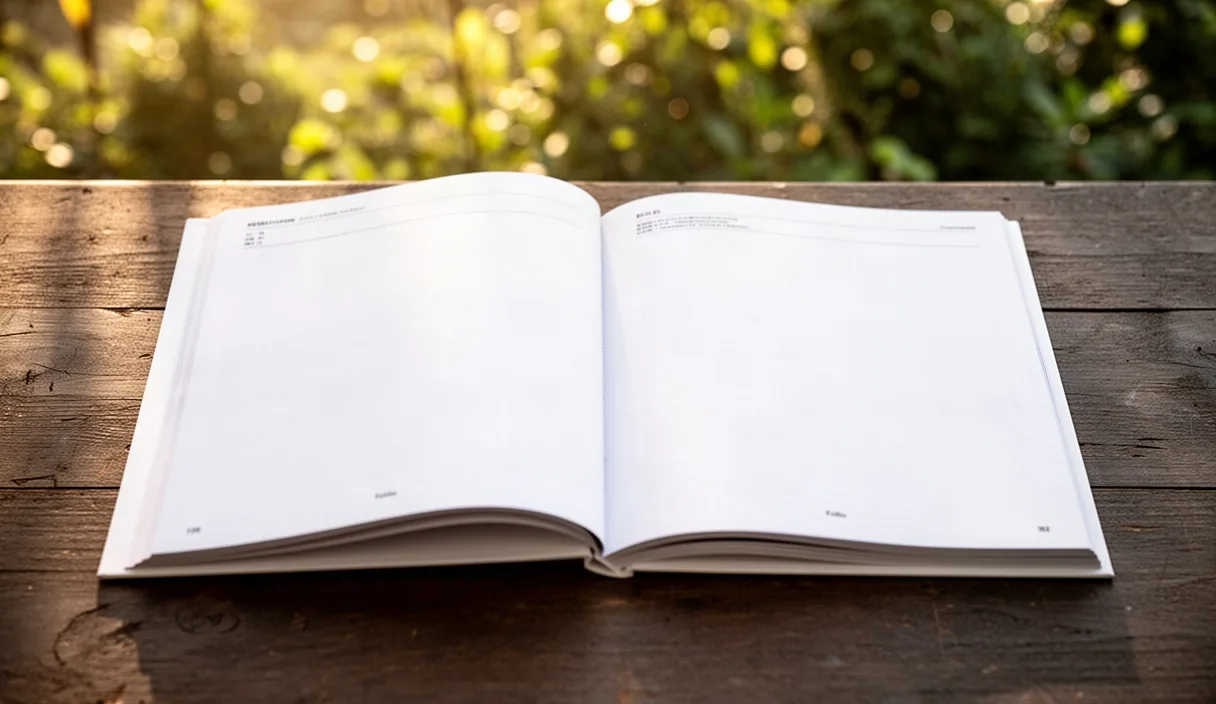
Peripheral markers orient readers through lengthy publications. This list covers placement, tracking, and omission rules.

Wall texture changes how artwork interacts with gallery illumination. This text compares smooth troweled surfaces with board-formed concrete.

Spine construction dictates how flat a book rests when opened. We evaluate staple binding against polyurethane cold adhesives.

Fluid typography requires strict limits on weight and optical size axes. You learn to alter type weight without moving layout margins.

Placing information on glass partitions requires control over double-sided reading. This article covers vinyl opacity and contrast.

Tactile relief depends on paper fiber length and metal die bevels. We explain how to prepare vector artwork for magnesium dies.